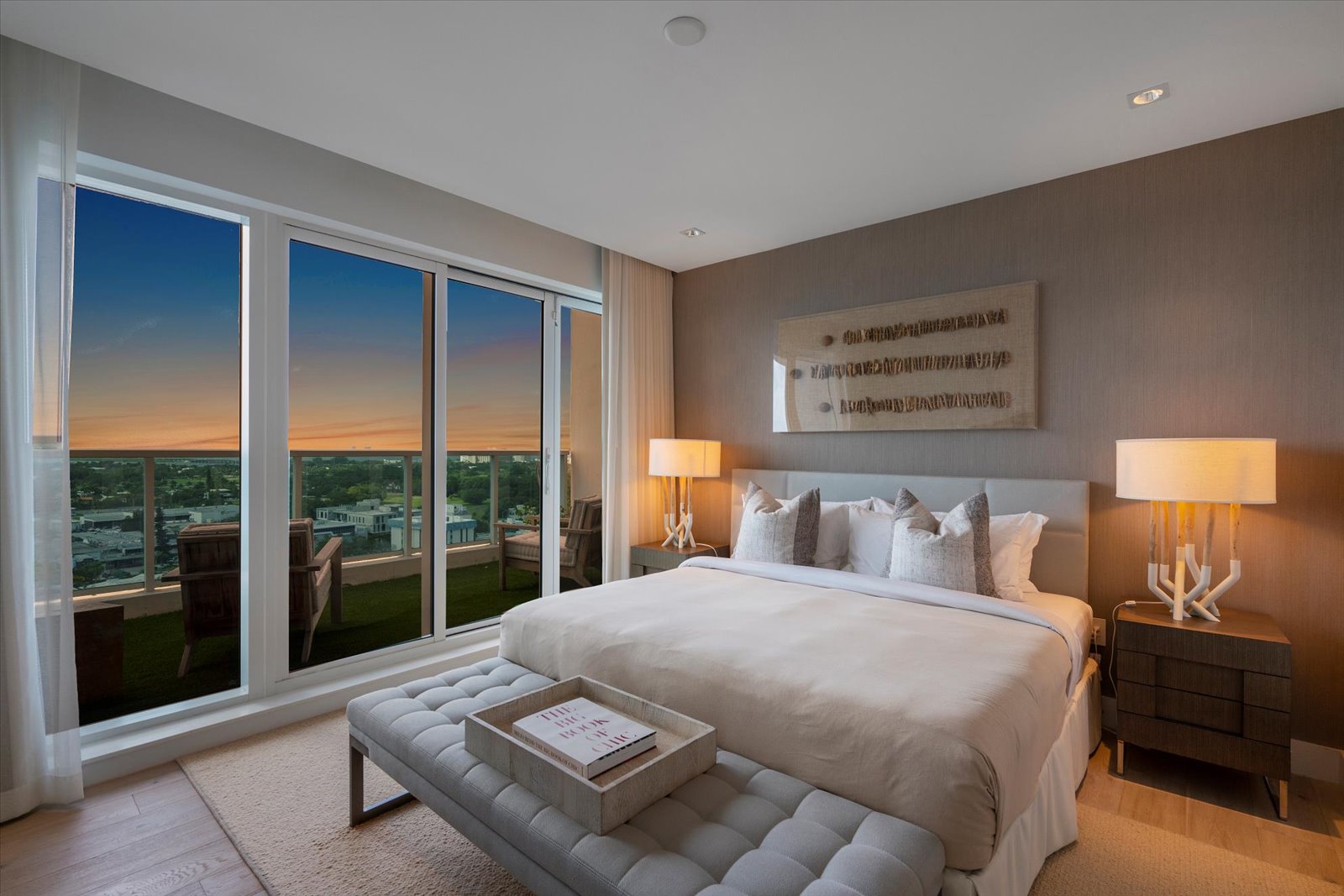



There is a very specific, almost fragile moment in Miami Beach that happens right around 6:15 AM. It’s that blue-grey hour before the sun decides to be dramatic. If you’re standing on a balcony high enough to blur the sound of the tide but low enough to smell the salt—the city feels honest. It’s quiet. Not “resort quiet,” where you still hear the clink of a breakfast buffet being set up, but a genuine, heavy stillness.
For years, if you were staying in a standard five-star hotel, this was the moment a neighbor’s heavy door would thud shut in the hall, or you’d hear the polite but persistent rattle of a housekeeping cart. It’s a small friction, sure. But those tiny, predictable interruptions are exactly why the world’s most frequent travelers are starting to view the “luxury hotel suite” as a bit of a relic.
We’re seeing a shift. It’s happening from the neon-lit corners of South Beach all the way up the coast to the manicured, silent estates of West Palm. People are tired of being “guests.” They want to be residents.
This is the space where Five Star Luxury Travel (FSLT) operates. We don’t really deal in “vacation rentals” in the traditional, transactional sense. That term feels a bit too much like a generic listing on a crowded app. Instead, we’ve focused on a very specific niche: luxury hotel residences. It’s a model that finally fixes the one thing high-end hotels always got wrong: the feeling that you were just passing through.
The Problem with Perfection
Luxury hotels are world-class at being perfect. But they aren’t always great at being comfortable. A standard suite is designed to be reset to zero every twenty-four hours. It’s sterile by design.
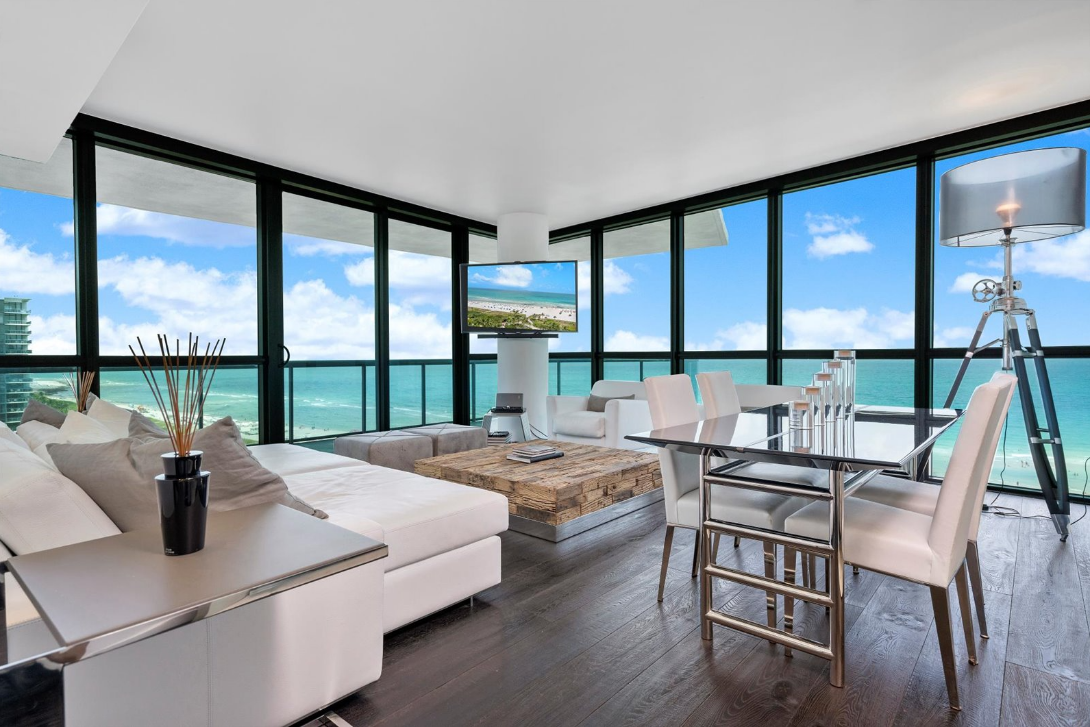
A luxury hotel residence—whether it’s at a property like The Setai, 1 Hotel & Homes, or The Edition—is built on a different logic. It’s built for the person who wants to stay for a week, or a month, and actually inhabit the space. You have a real kitchen. Not a “kitchenette” with a miniature fridge, but a space where you can brew a proper coffee or chill a specific bottle of wine without feeling like you’re in a cubicle.
When you stay in a residence, the psychology of your trip changes. You aren’t governed by a lobby’s schedule. You aren’t an entry in a database. You have the square footage of a home, but you’re still wrapped in that five-star safety net. You want the car brought around? Done. Need a last-minute table at a bistro that’s been booked for months? The concierge handles it. But when you close your door, the “hotel” disappears. You’re just home.
South Beach: Learning to Breathe Again
South Beach is often a victim of its own fame. People think it’s just neon, noise, and the chaos of Ocean Drive. And if you stay in a big-box hotel right on the strip, that’s exactly what you get.
But South Beach is actually an incredibly nuanced neighborhood. It’s walkable. It’s full of these stunning, curved Art Deco buildings that look like they’re made of sugar. If you live in the neighborhood—even briefly—you find the quiet spots. You find the cafés where the baristas know the locals’ names.
By focusing on residences within the top-tier properties, FSLT gives people a way to inhabit South Beach without being “consumed” by it. You get the proximity to the Design District and world-class dining, but you have a sanctuary to return to. You can decide to go out and be part of the energy, or you can stay in, open the floor-to-ceiling glass doors, and just watch the light change. It makes the city feel livable. It makes it feel human.
The Mid-Beach Frequency
Go a few blocks north and the energy changes entirely. Mid-Beach is where the “Quiet Luxury” movement really found its feet. If South Beach is a shout, Mid-Beach is a steady, confident hum.
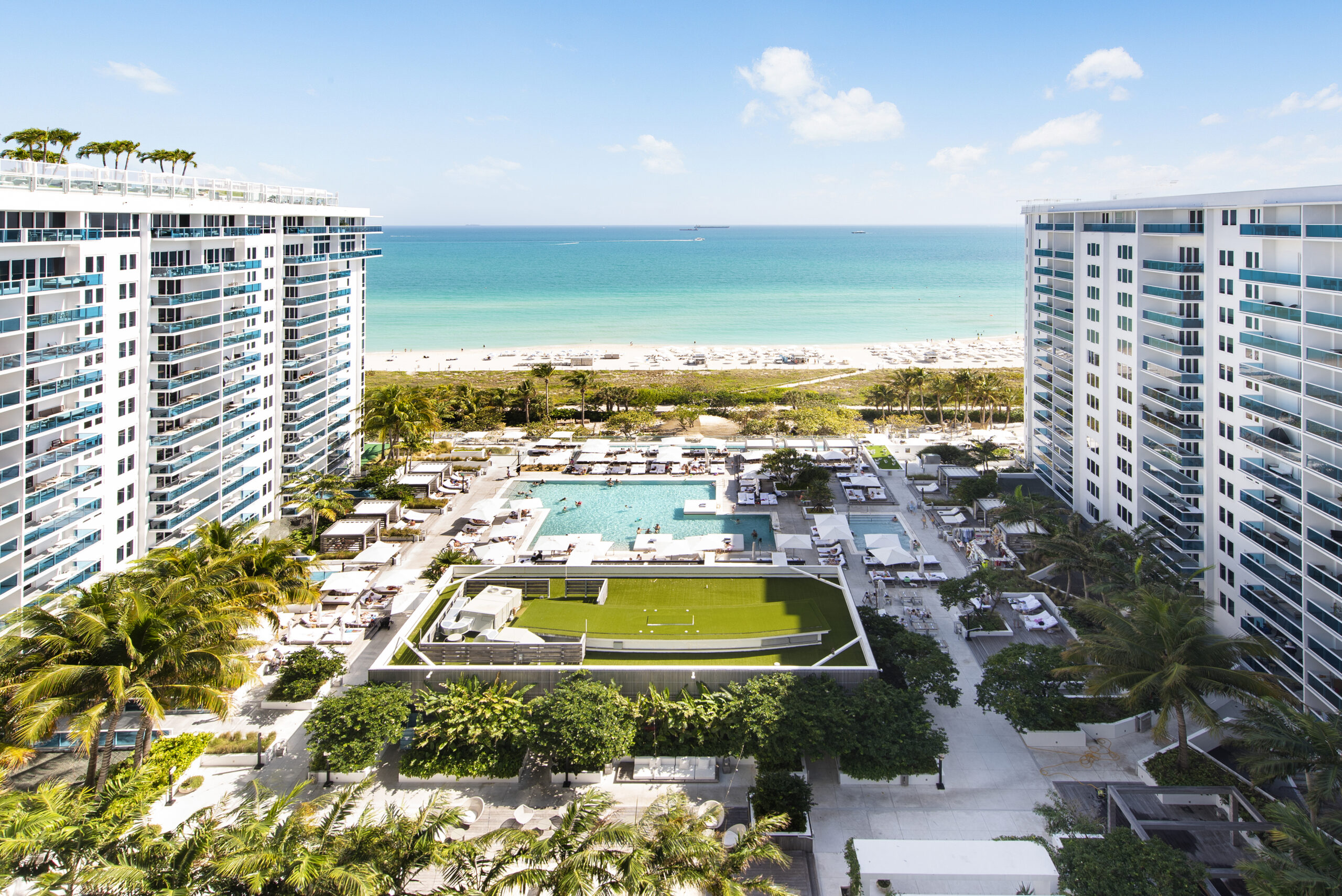
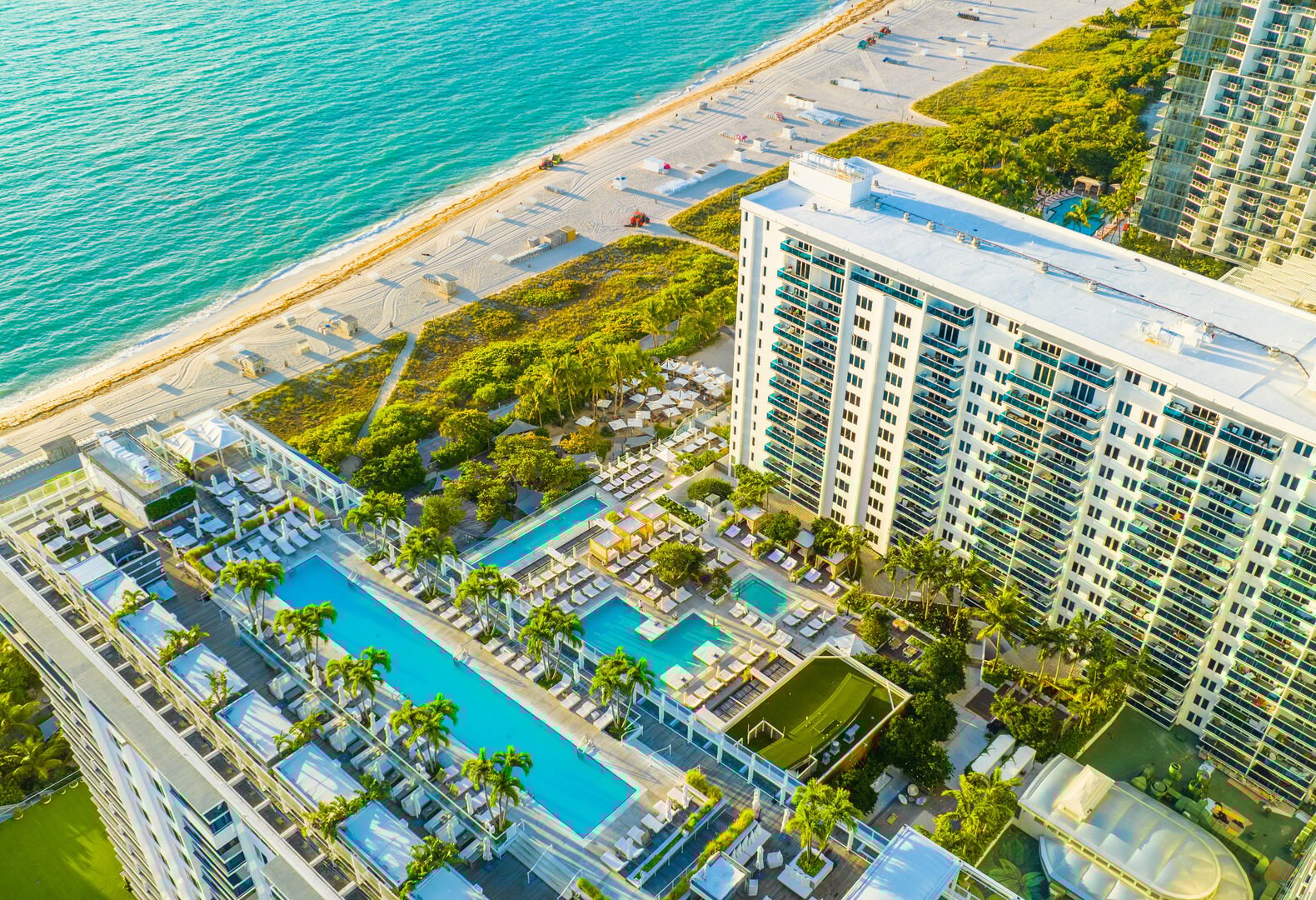
Properties like The Setai and 1 Hotel changed the skyline here, but more importantly, they changed the vibe. Everything is natural—stone, raw wood, linen, and massive amounts of light. The luxury hotel residences here are, in my opinion, the gold standard for what FSLT does.
These aren’t just rooms; they are lifestyle anchors. We see a lot of people who come for a week and end up staying for three. Why? Because the friction is gone. You wake up, you hit the gym, you spend some time on a beach that isn’t packed ten-deep with tourists, and you go back to a residence that was designed for ease. It’s the kind of place where you actually unpack your suitcase because you feel like you belong there.
The Reach: From Bal Harbour to West Palm
This isn’t just a Miami Beach story anymore. The demand for this kind of “managed privacy” has pushed us further north.
Bal Harbour is still the ultimate destination for people who value discretion above all else. It’s a neighborhood that doesn’t feel the need to prove anything. Everything is immaculate, the service is almost telepathic, and the residences feel permanent. It’s where people go when they genuinely don’t want to be found.
And then there’s West Palm Beach. It’s currently going through this massive, fascinating renaissance. It’s no longer just a place where people go to retire; it’s becoming a hub for art, finance, and design. Our expansion there is driven by the same thing we see in Miami: travelers want the scale of a residence but the reliability of a professional operation. They’re tired of the “lottery” of impersonal short-term listings where you never quite know if the photos are real or if the AC actually works.
The FSLT Difference
We realized early on that “luxury” is a word that gets thrown around until it means almost nothing. For us, luxury isn’t a gold-plated faucet. It’s consistency.
When you book a luxury hotel residence through FSLT, you’re getting a vetted, professionally managed environment. You get the autonomy of a private home, but you don’t have to worry about the plumbing or the WiFi or a clunky check-in process. We’ve bridged that gap. We provide the “standard of care” you expect from a five-star brand like The Four Seasons or The Ritz-Carlton, but we do it in a way that lets you actually enjoy the space you’re in.
It’s about control. You control the rhythm. Whether you’re here for a high-stakes business trip or a month-long family reset, the residence adapts to you—not the other way around.
The Final Word
Miami Beach has grown up. It’s moved past the need to be the loudest person in the room. It’s become a city of layers, of neighborhoods, and of quiet moments that you only find when you stay long enough to look for them.
The “New Gold Coast” is about intention. It’s about choosing a way to stay that respects your time and your privacy. From the architectural curves of South Beach to the refined towers of West Palm, the message is clear: the best way to experience Florida is to live in it, even if it’s only for a little while.
At FSLT, we’re providing the keys to a version of the city that most people never get to see. And once you’ve experienced Miami from the balcony of a residence that feels like yours, it’s very, very hard to go back to a standard hotel room.
Frequently Asked Questions (FAQs)
What is the difference between a luxury hotel suite and a luxury hotel residence?
A luxury hotel suite is a traditional hotel room designed for short stays, typically lacking full kitchens or laundry. A luxury hotel residence offers the square footage and amenities of a private home—such as gourmet kitchens and expansive living areas—while maintaining the five-star service, concierge, and amenities of a world-class hotel property.
Why choose a luxury hotel residence for a Miami Beach vacation?
Choosing a residence provides greater privacy, more living space for families, and a “livable” atmosphere that traditional hotels cannot match. It allows travelers to inhabit the city like a local resident while still having 24/7 access to professional hotel management and white-glove services.
Are luxury hotel residences in Miami Beach professionally managed?
Yes. When booked through a specialized firm like FSLT, luxury hotel residences are professionally managed to ensure consistent quality, cleanliness, and 24/7 guest support, bridging the gap between impersonal short-term listings and high-end hotel hospitality.Lorem ipsum dolor sit amet, consectetur adipiscing elit. Ut elit tellus, luctus nec ullamcorper mattis, pulvinar dapibus leo.